In addition to the classroom studies, Pardes runs a number of tiyulim (trips) to unique places you can’t get to on your own. One of their annual tiyulim is related to theme of Zionism and this year’s trip focused on Kibbutzim.
We spent yesterday and some of today learning about the agricultural training school from which the first few kibbutzim were launched, the writings of some of the early kibbutz ideologies and poets including A.D. Gordon and Rahel. And we saw the site of the first kibbutz, Umm J’uni (where they were for a year before moving nearby to more fertile land) and walked along the Jordan River to see where this first group ended up establishing the first Kibbutz Degania in 1910. One of the goals of these early kibbutzim was to have the new Israelis do all the farming and be financially independent as opposed to other farming communities that were underwritten by the French philanthropist Baron De Rothschild and relied on Arab labor. And of course, be based on socialist ideals.
Talking about socialist ideals, there was a fight in 1921 that people thought would tear apart the kibbutz and was recorded as being the end of the kibbutz. What do you think threatened to tear apart this first kibbutz?
One family acquired their own tea kettle and started making their own coffee rather than only using the communal kettle.
Stay tuned for the next blog post for kibbutzim today.

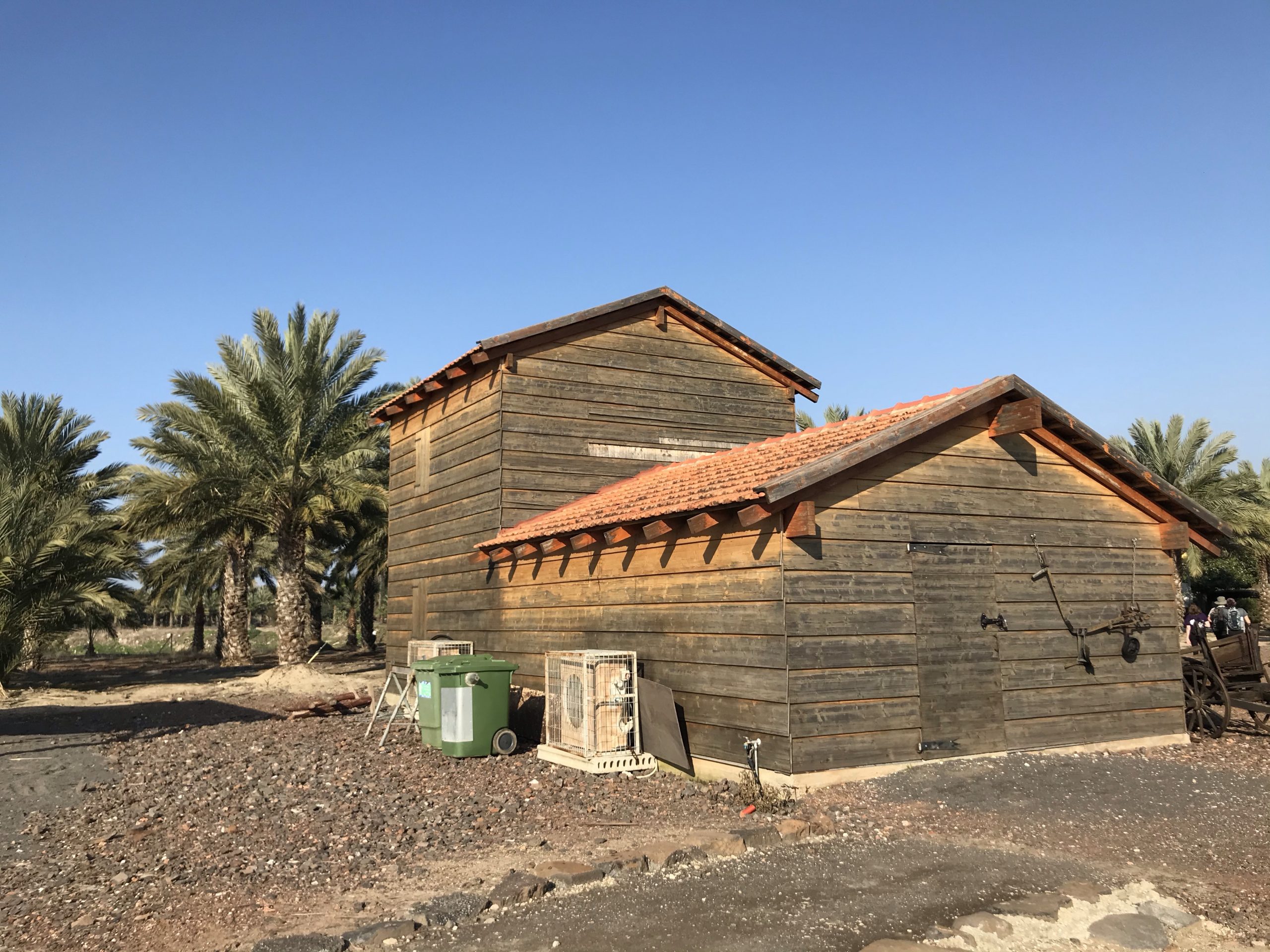
First kibbutz building where the 12 young adults(and probably their animals too) lived together
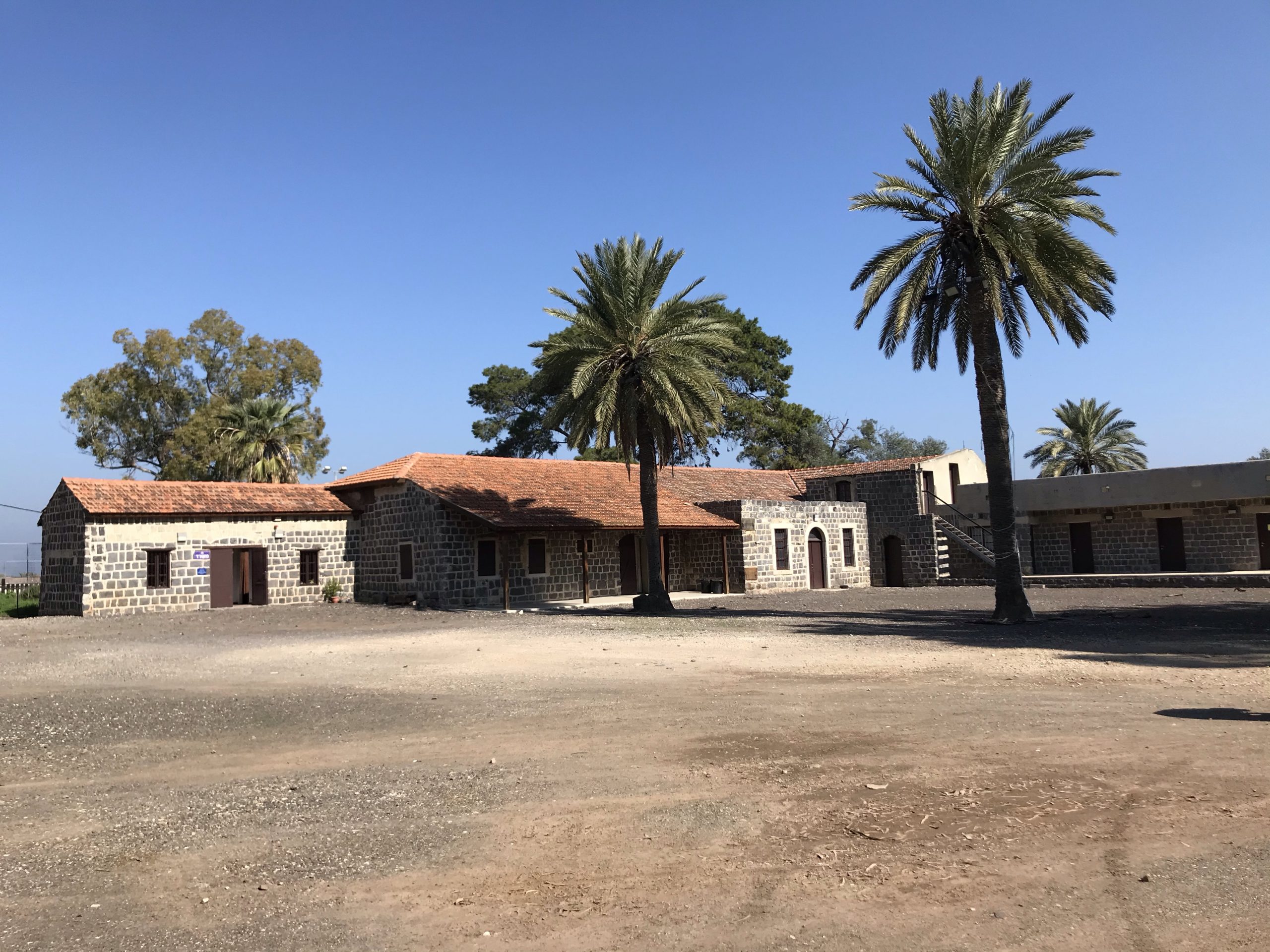
Location of first agricultural training school (on the banks of the Kinneret in old Turkish buildings)
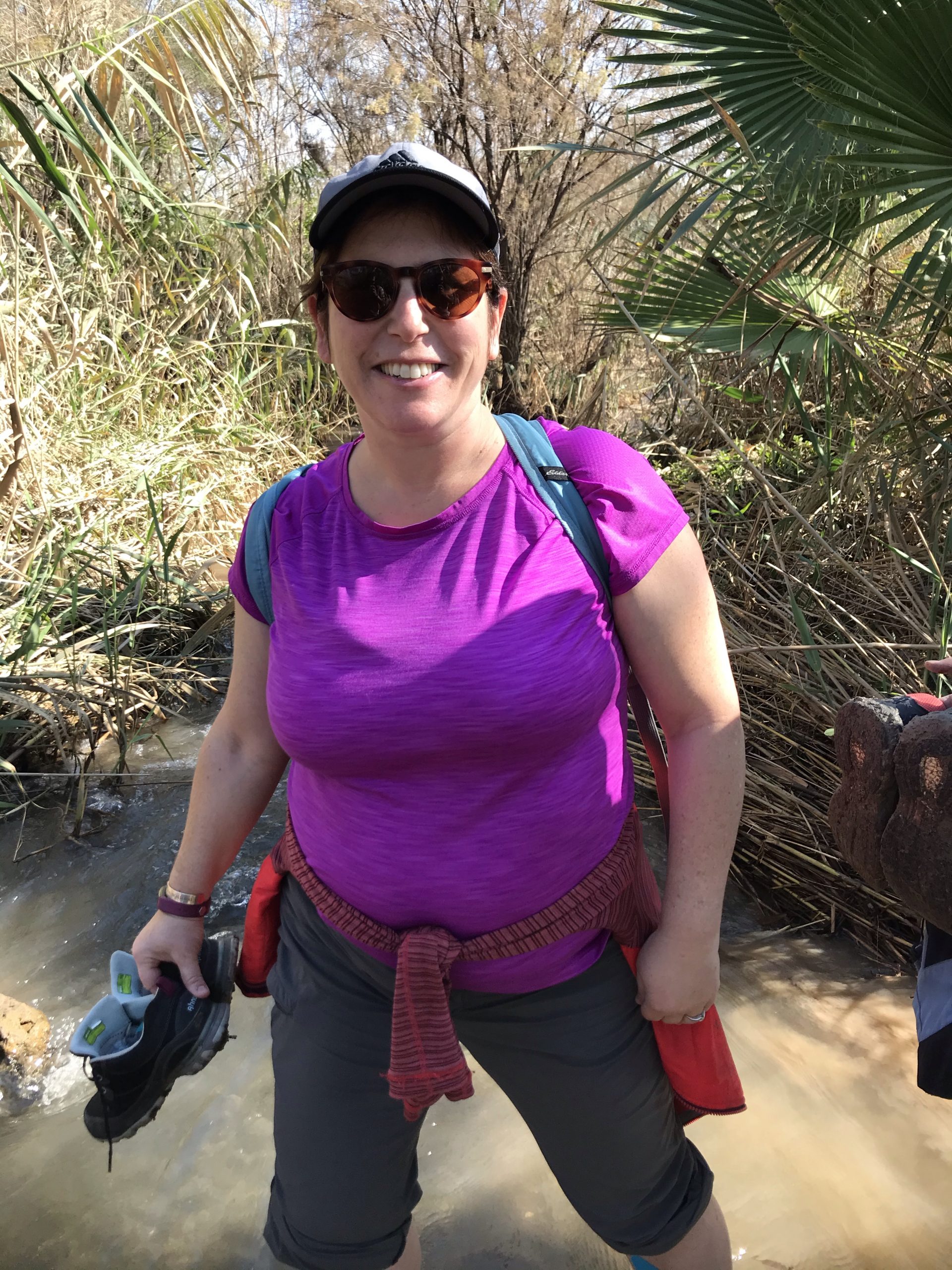
Me wading through the Jordan river following the path of the first kibbutzniks to their new home at Deganiah aleph on the banks of the kinneret. (Sorry no photo of the kettle that caused the kibbutz major uproar)